
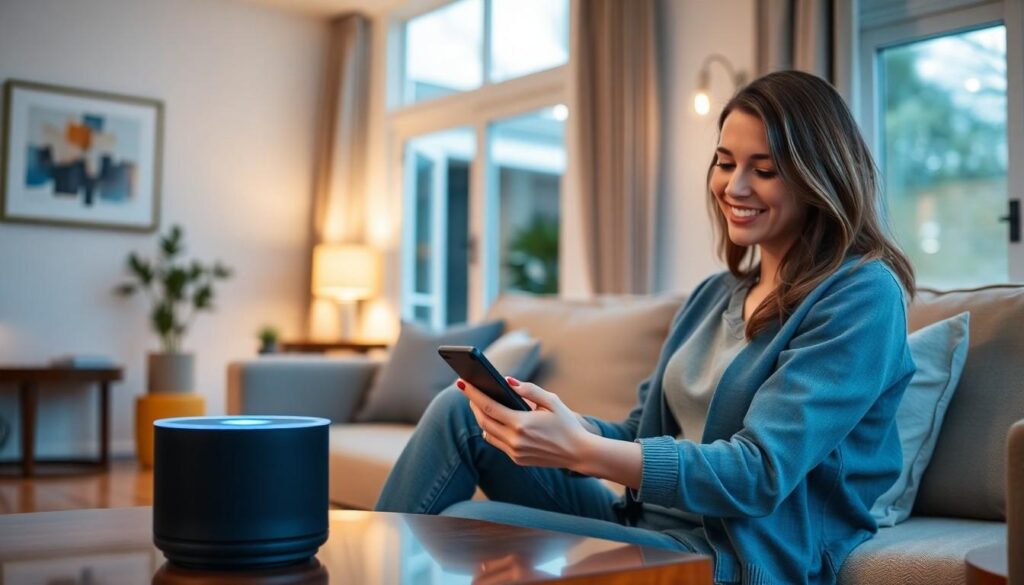

Imagine walking into your home and having it greet you like an old friend. Lights flicker on, the thermostat adjusts to your favorite temperature, and your coffee maker starts brewing like it knows you’re running late. Welcome to the world of IoT home automation, where your house is smarter than your average bear—and maybe even more helpful!
Overview of IoT Home Automation
IoT home automation refers to the integration of smart devices within a household to create a responsive living environment. Smart devices communicate over the internet, enabling automation of tasks such as lighting, heating, and security. Homeowners experience increased convenience as these devices adapt to their lifestyles, enhancing comfort.
Several core components constitute an IoT home automation system. Smart speakers function as central hubs, allowing users to control devices through voice commands. Smart lights adjust automatically based on presence or time of day, saving energy and improving ambiance. Thermostats learn user preferences, optimizing heating and cooling for efficiency and comfort.
Security systems also benefit from IoT integration. Cameras and sensors provide real-time alerts, allowing homeowners to monitor their property remotely. Door locks can be controlled via smartphone, providing access to guests while ensuring security.
Data collected from smart devices creates a personalized experience. Homeowners use this data to analyze patterns and improve energy consumption. For example, smart appliances optimize usage during off-peak hours, leading to cost savings on utility bills.
According to a recent study, the global IoT home automation market is projected to reach $80 billion by 2025. This growth showcases the increasing demand for connected devices that simplify everyday tasks. As technology advances, newer solutions continue to enhance the capabilities of IoT home automation, making homes more intelligent and efficient.
Benefits of IoT Home Automation

IoT home automation significantly improves daily living. It provides seamless integration of smart devices, enhancing comfort and security for users.
Increased Convenience
Smart homes enable efficient management of everyday tasks. Automation simplifies processes such as lighting and climate control, allowing users to adjust settings through mobile apps or voice commands. Devices like smart speakers act as central hubs, coordinating various functions and responding to user commands. Occupants can program routines that align with their schedules, adjusting energy consumption to match their needs. Notifications inform homeowners of any changes, making it easier to oversee multiple systems without constant monitoring. Such efficiencies contribute to a more relaxed lifestyle, freeing up time for personal activities.
Enhanced Security
IoT home automation improves security measures through real-time monitoring. Smart cameras and sensors provide live updates, enabling homeowners to keep an eye on their property remotely. Homeowners receive instant alerts for unusual activities, allowing for prompt action. Smart locks add an extra layer of security, granting access only to authorized users. Additionally, surveillance footage can be accessed via smartphones, ensuring peace of mind while away from home. The integration of these technologies creates a comprehensive security solution that prioritizes the safety of occupants.
Key Components of IoT Home Automation
IoT home automation relies on essential components that work together for a seamless smart home experience. Each component plays a critical role in enhancing convenience and efficiency.
Smart Devices
Smart devices serve as the backbone of an IoT home automation system. They include smart speakers, which act as central hubs, enabling control over various connected devices. Other examples are smart lights that can adjust brightness or color based on user preference or time of day. Additionally, smart thermostats learn user behaviors to optimize energy consumption. These devices communicate with each other, ensuring a responsive living environment tailored to individual occupants. Security devices, such as smart cameras and sensors, also contribute significantly to protecting the home. Integration of these smart devices simplifies daily tasks, making life more manageable and enjoyable.
Connectivity Solutions
Connectivity solutions ensure all smart devices communicate efficiently within the IoT ecosystem. Wi-Fi networks typically serve as the primary connection method, allowing devices to interact over the internet. Other technologies, like Zigbee and Z-Wave, also facilitate communication among devices with low energy consumption and longer ranges. Robust connectivity enhances real-time data sharing between devices, leading to improved automation capabilities. The implementation of cloud services further expands the potential for remote access and control. For instance, homeowners can monitor and manage their homes from anywhere using mobile apps, greatly increasing convenience and security. These connectivity solutions form the foundation that enables the full potential of IoT home automation.
Popular IoT Home Automation Systems
Numerous IoT home automation systems cater to diverse homeowner needs.
Amazon Alexa
Amazon Alexa offers smart speaker integration, allowing users to control various devices via voice commands. Users can manage lighting, check the thermostat, and even program routines for daily activities.
Google Home
Google Home stands out for its robust compatibility with an array of smart devices. Providing voice-activated controls, it enables seamless management of home appliances, security systems, and entertainment options.
Apple HomeKit
Apple HomeKit delivers a secure automation platform for Apple users. Devices connected through HomeKit interact smoothly, ensuring privacy while offering automation for everything from lights to locks.
Samsung SmartThings
Samsung SmartThings combines various smart devices into a single, unified system. Homeowners appreciate its adaptability, which supports diverse devices and allows for extensive customization to fit individual lifestyles.
Philips Hue
Philips Hue specializes in smart lighting solutions. Users enjoy the ability to create various lighting scenes, adjusting brightness and color based on mood, time of day, or activities.
Ecobee
Ecobee focuses on smart thermostats. These thermostats learn and adapt to homeowner preferences, promoting energy efficiency by adjusting temperatures according to occupancy and habits.
Ring
Ring enhances home security through smart cameras and doorbells. The system delivers real-time alerts, so homeowners remain informed about unusual activities, promoting peace of mind.
Selected IoT home automation systems demonstrate the integration and support for various smart devices. Each device contributes to a cohesive smart home ecosystem, simplifying everyday tasks and improving quality of life. Demand for these systems continues to grow, with technology evolving to enhance convenience and efficiency in homes.
Challenges and Considerations
Implementing IoT home automation presents various challenges that homeowners and developers must navigate. Security concerns rank high among these challenges. Smart devices connected to the internet can be vulnerable to hacking, potentially compromising sensitive data and household safety.
Interoperability issues arise frequently, as different brands and devices may not seamlessly communicate. Homeowners can face frustrations when attempting to integrate various products from multiple manufacturers.
Another significant challenge involves user complexity. While IoT systems enhance convenience, the initial setup can be daunting for some users. Proper installation and configuration often require technical know-how or professional assistance.
Ongoing maintenance and updates contribute to another layer of consideration. Devices must receive regular software updates to protect against security threats and ensure optimal performance. Without proper attention, outdated systems could lead to inefficiencies and possible risks.
Additionally, the dependency on internet connectivity warrants attention. IoT home automation systems rely heavily on consistent and stable internet access. Interruptions in service may disrupt automation schedules and reduce overall functionality.
Cost factors also play a crucial role in deciding to implement an IoT home automation system. Initial investment costs for smart devices, connectivity solutions, and potential subscription services can add up. Homeowners should weigh these costs against the long-term benefits of energy savings and convenience.
Legal and privacy issues remain a paramount concern. Data collected by smart devices can raise questions about user privacy and data protection regulations. Homeowners need to understand how their information is collected, stored, and used by service providers.
Navigating these challenges effectively allows for a smoother transition into an automated home environment. Ensuring security protocols, assessing costs, and understanding user needs can result in a satisfying IoT experience.
Embracing IoT home automation transforms daily living into a seamless experience. With smart devices working in harmony, homeowners enjoy enhanced convenience and security. The ability to control and monitor homes remotely adds a layer of comfort that was once unimaginable.
As the technology advances and becomes more accessible, the potential for smarter homes continues to grow. By addressing challenges such as security and interoperability, users can fully leverage the benefits of automation. Ultimately, IoT home automation not only simplifies tasks but also enriches the quality of life, making it a worthwhile investment for modern living.


