
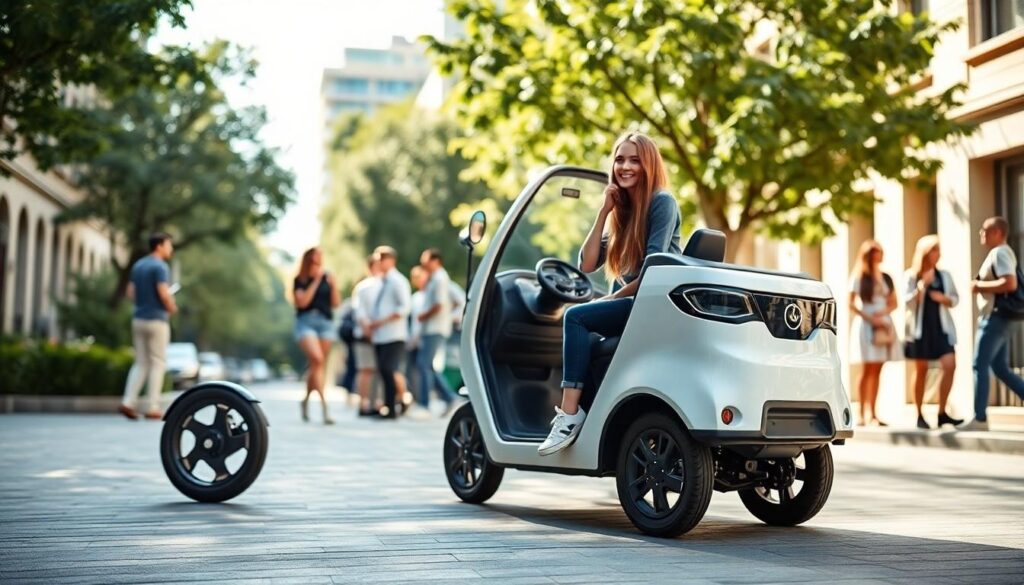

Picture this: zipping around your neighborhood in a vehicle that’s quiet as a whisper and as eco-friendly as a tree-hugging panda. Electric low-speed vehicles (ELSVs) are here to revolutionize short-distance travel. They’re not just a trend; they’re a lifestyle choice for those who want to ditch the gas guzzlers without sacrificing style or comfort.
These nifty little rides make running errands feel like a breeze, and they’re perfect for navigating crowded urban streets. Plus, who wouldn’t want to be the cool neighbor cruising by in a snazzy electric cart? With growing popularity and increasing accessibility, ELSVs are turning heads and changing the way people think about transportation. So why not join the movement and discover how these charming vehicles can enhance daily life while saving the planet, one short trip at a time?
Overview of Electric Low Speed Vehicles
Electric low-speed vehicles (ELSVs) represent an eco-friendly alternative for short-distance transportation. These vehicles typically operate at speeds up to 25 mph, making them ideal for urban settings. Designed for local travel, ELSVs cater to errands, neighborhood commutes, and recreational activities. Their zero-emission nature contributes to reduced pollution, enhancing air quality in densely populated areas.
Popularity continues to rise due to urban congestion and the increasing need for sustainable transportation options. Innovations in EV technology make ELSVs more attractive, with improved battery life and charging capabilities. Manufacturers now produce a variety of models, from e-carts to electric scooters, enhancing consumer choice.
ELSVs also offer cost-effective solutions for daily transport. Maintenance costs tend to be lower compared to traditional vehicles. Owners benefit from reduced expenses on fuel and maintenance, making this mode of transport even more appealing.
Accessibility is another significant aspect. Communities start adopting policies that favor ELSV usage, including designated lanes and charging stations. Municipalities recognize the importance of integrating ELSVs into local transport networks.
Safety features are evolving alongside these vehicles. Modern ELSVs come equipped with advanced technology, including braking systems and visibility enhancements. These advancements foster confidence in users, ensuring a safer travel experience.
The lifestyle shift toward ELSVs aligns with broader environmental goals. Committing to low-speed electric vehicles contributes positively to sustainability efforts. As people embrace this modern approach to transport, they also promote greener living.
Benefits of Electric Low Speed Vehicles

Electric low-speed vehicles (ELSVs) present various advantages that significantly enhance urban mobility and sustainability.
Environmental Impact
ELSVs operate with zero emissions, directly contributing to reduced air pollution. Improved air quality benefits communities by lowering health risks linked to vehicle emissions. Urban areas see a decrease in noise pollution as well, since ELSVs generally operate quietly. They serve as a practical alternative to gas-powered vehicles, allowing cities to meet environmental goals. Adoption of ELSVs supports sustainability efforts, encouraging greener transportation solutions. Additionally, ELSVs encourage reduced traffic congestion, leading to lower overall emissions from idling vehicles.
Cost Efficiency
Owning ELSVs results in lower operational costs compared to traditional cars. The average maintenance costs for ELSVs can drop by up to 50%, saving drivers money over time. Charging expenses are also significantly lower than refueling gasoline vehicles. On average, it costs about $1.50 to charge an ELSV for a full battery. These vehicles often qualify for tax incentives and rebates, further decreasing initial purchasing cost. Insurance costs typically fall as well due to lower risk associated with ELSVs. Overall, cost savings present a compelling reason for consumers to consider ELSVs for daily use.
Common Types of Electric Low Speed Vehicles
Electric low-speed vehicles come in various forms, tailored to meet specific needs for short distances. Each type offers unique features and advantages.
Neighborhood Electric Vehicles (NEVs)
NEVs provide a practical solution for local travel. These vehicles typically reach speeds of up to 25 mph and are suitable for neighborhood commutes, running errands, and short trips. Owners appreciate their compact design, which makes parking easier in crowded areas. Many NEVs come equipped with essential safety features like seat belts, lights, and turn signals, promoting safer travel. They’re battery operated, contributing to reduced charging costs, around $1.50 per full charge. Additionally, NEVs often qualify for incentives from local governments, encouraging their use as an eco-friendly alternative.
Electric Golf Carts
Electric golf carts serve a multi-functional purpose beyond golf courses. These vehicles are popular in retirement communities, parks, and resorts, allowing efficient transport over short distances. Users enjoy the silent operation, which minimizes noise pollution and enhances the outdoor experience. Speeding up to 15-20 mph, they’re perfect for leisurely rides or quick trips to nearby amenities. Many electric golf carts feature custom accessories and enclosures, enhancing comfort for passengers. Their low cost of ownership, including minimal maintenance and charging expenses, makes them an attractive option for communities.
Regulations and Safety Standards
Electric low-speed vehicles (ELSVs) face specific regulations and safety standards intended to ensure their safe operation. Compliance with federal and state laws governs aspects such as vehicle design, speed limits, and operational guidelines.
The National Highway Traffic Safety Administration (NHTSA) sets forth safety standards that ELSVs must meet. For instance, the NHTSA classifies Neighborhood Electric Vehicles (NEVs) as a distinct category, permitting operation on roads with speed limits of 35 mph or lower.
States often implement additional regulations that impact ELSV usage. Some states require registration, while others may mandate insurance coverage for ELSV owners. Compliance fosters safer environments for all road users.
Safety equipment also plays a crucial role in ELSV regulations. ELSVs must include essential features, such as seat belts, headlights, turn signals, and proper braking systems. These elements enhance visibility and control, crucial for urban settings.
In addition to design requirements, manufacturers adhere to testing protocols to certify vehicle reliability. Testing ensures that batteries, tires, and electric components function safely under various conditions.
Local municipalities may establish specific guidelines for ELSV operation. Designated lanes and charging stations can simplify integration into urban transport networks. Communities that embrace ELSV regulations may enhance safety and convenience through supportive infrastructure.
Adhering to safety guidelines creates a foundation for ELSV acceptance among users. ELSV operators often receive education about road rules and safety practices, contributing to overall roadway safety. As ELSVs gain popularity, ongoing adjustments to regulations will likely reflect their evolving presence in the transportation landscape.
Future Trends in Electric Low Speed Vehicles
Development in electric low-speed vehicles (ELSVs) continues to accelerate, shaped by several emerging trends. Increased connectivity enhances user experience through smart technologies, integrating GPS, mobile apps, and user-friendly interfaces in ELSVs. Adoption of autonomous features gains traction, promoting safer local travel and reducing reliance on manual driving.
The market for ELSVs expands with innovative designs appealing to various demographics. Urban planners favor accessibility features in ELSVs, encouraging their use in inclusive transport systems. Adoption of shared mobility services showcases the versatility of ELSVs, providing convenient ride-sharing options and reducing the need for individual vehicle ownership.
Advancements in battery technology contribute significantly to ELSV efficiency. Battery lifespan now reaches up to 10 years, translating to lower replacement costs and environmental benefits. Emerging solar charging options provide supplementary energy sources, further enhancing sustainability.
Regulatory adjustments play a critical role in shaping the ELSV landscape. Local governments draft policies to streamline ELSV integration, focusing on designated lanes and charging infrastructure. Awareness campaigns underscore the safety benefits and environmental impacts, engaging community support for ELSV adoption.
The rise of urban micro-mobility trends aligns with the ELSV market, as consumers seek alternatives to traditional transportation. Public interest in reducing carbon footprints drives the demand for eco-friendly commuting options. Increased participation in cooperative initiatives fosters community ownership, promoting ELSVs as viable transportation solutions.
Overall, trends indicate a dynamic future for electric low-speed vehicles, characterized by innovation, sustainability, and improved urban mobility.
Electric low-speed vehicles are redefining local travel with their eco-friendly design and cost-effective operation. As urban areas face increased congestion and pollution, ELSVs provide a viable solution that aligns with sustainability goals. Their growing popularity is evident in the supportive policies and infrastructure emerging in communities.
With advancements in technology and safety, ELSVs are becoming more appealing to a broader audience. The future looks bright as these vehicles continue to evolve, offering innovative features and enhancing urban mobility. Embracing ELSVs not only contributes to personal convenience but also fosters a healthier environment for everyone.


