
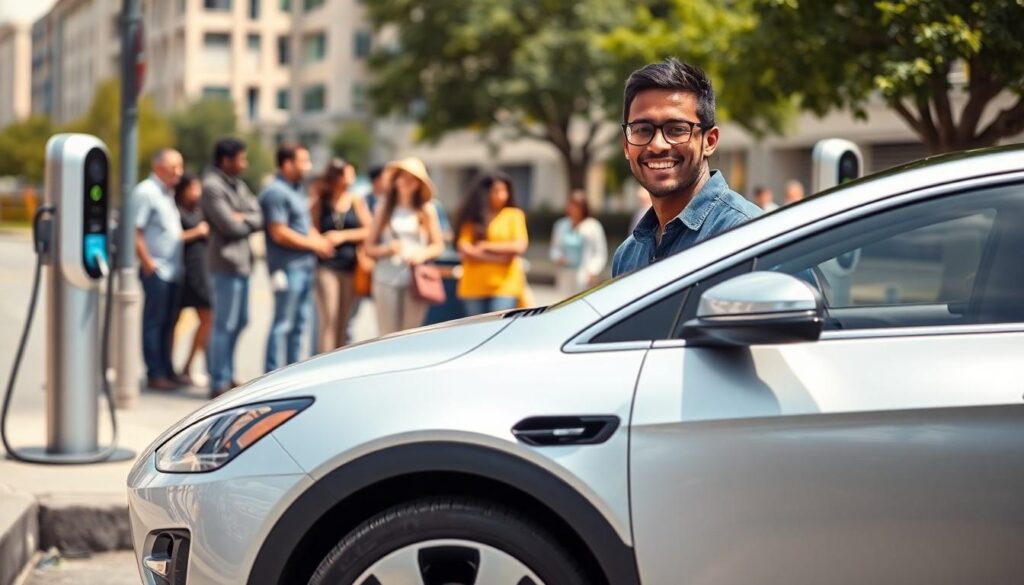

In a world where gas prices rise faster than a cat up a tree, electric vehicles are zooming into the spotlight. With advancements in technology, these eco-friendly rides are no longer just for tree-huggers or tech geeks. They’re sleek, stylish, and ready to take the road by storm. Imagine cruising down the highway, knowing you’re not just saving money but also saving the planet. Talk about a win-win!
Overview of Electric Vehicles
Electric vehicles (EVs) feature a battery-powered electric motor that eliminates reliance on gasoline. Advances in battery technology improved range, with many models now exceeding 300 miles on a single charge. EVs offer lower maintenance costs due to fewer moving parts compared to traditional combustion engines.
Many manufacturers invest in expanding their EV lineups, ensuring consumers have a variety of stylish and practical options. Notable brands include Tesla, Nissan, and Chevrolet, with models catering to different budgets and preferences. Market analysis indicates that EV sales surged by 50% in the last year alone, reflecting strong consumer interest.
Driving an electric vehicle provides significant savings on fuel costs. Statistically, EVs can save owners thousands over their lifespan compared to gasoline vehicles. Environmental benefits also stand out, as EVs produce zero tailpipe emissions, contributing to air quality improvement.
Charging infrastructure continues to grow alongside the increase in electric vehicle sales. Public charging stations are more accessible, and home charging systems have become more affordable. Consumers can recharge their vehicles overnight, making them convenient for daily use.
Regulatory support encourages the adoption of electric vehicles. Government incentives, such as tax credits and rebates, enhance the appeal of purchasing an EV. As climate awareness increases, more drivers consider the long-term benefits of transitioning to electric mobility.
Electric vehicles represent a significant shift in the automotive industry. Their continued evolution promises further technological advancements, positioning them as viable alternatives to traditional transportation methods.
The Evolution of Electric Vehicles
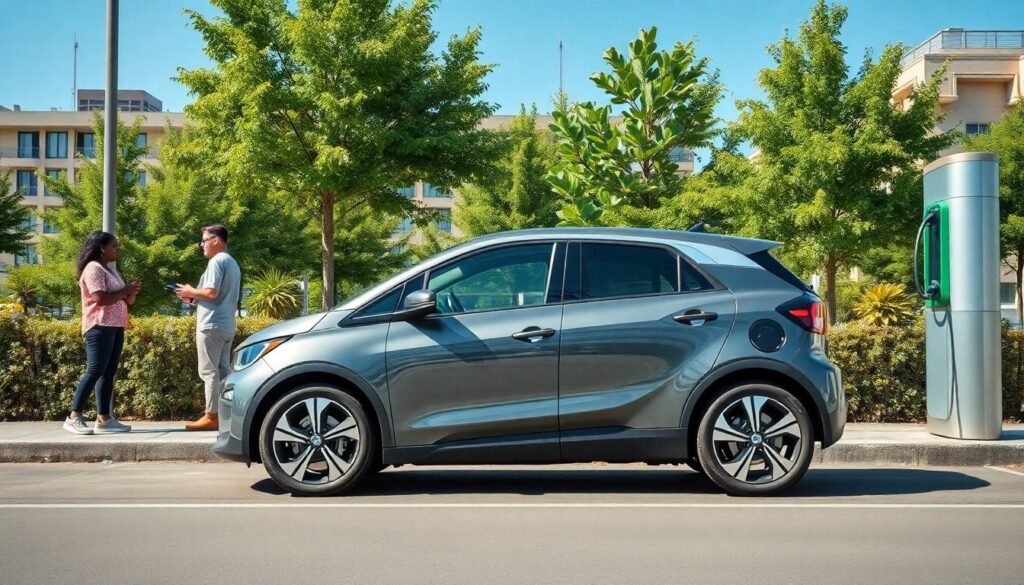
Electric vehicles (EVs) have undergone significant transformation, evolving from early models to highly advanced machines. This shift reflects changing consumer attitudes toward sustainability and technological innovation.
Early Beginnings
Early attempts at electric vehicles date back to the 19th century when inventors like Thomas Parker built battery-powered cars. By the late 1800s, EVs gained some traction, with manufacturers like Baker Motor Vehicle Company producing electric taxis. However, the rise of gasoline-powered vehicles in the early 20th century led to a decline in EV popularity. Limited range and inadequate charging infrastructure hindered their growth. World War II and the subsequent automobile boom resulted in further neglect of electric options. Despite these challenges, the foundation for modern electric vehicles emerged during this period.
Technological Advancements
Technological advancements have significantly enhanced electric vehicles in recent years. Improved lithium-ion batteries now offer ranges exceeding 300 miles on a single charge. Automakers like Tesla, Nissan, and Chevrolet contribute to this progress, offering diverse models catering to various preferences. Innovations in electric motor efficiency and regenerative braking systems have also boosted performance and decreased energy consumption. Charging infrastructure expansion plays a crucial role in convenience, with thousands of public charging stations available across the country. Government incentives, including tax credits, further encourage consumers to consider electric options. Together, these advancements position electric vehicles as a practical, cost-effective solution for modern transportation.
Current Market Trends
The electric vehicle market experiences rapid growth as consumer demand rises. Factors driving this trend include technological advancements and growing environmental awareness.
Popular Models
Tesla continues to dominate the electric vehicle scene with models like the Model 3 and Model Y, which cater to diverse customer preferences. Nissan’s Leaf remains popular due to its practicality and affordability, while Chevrolet’s Bolt EV provides a strong alternative with competitive pricing and solid range. Ford’s Mustang Mach-E attracts attention for its sporty design and impressive performance. Various manufacturers add more options, aligning with the increasing consumer interest in sustainable mobility.
Price Range and Financing
Electric vehicle prices vary widely, ranging from around $30,000 for budget-friendly options to over $100,000 for luxury models. Many consumers find financing options significantly improve affordability through loans and leases. Government incentives often lower the overall cost, providing rebates and tax credits. With marketplace competition increasing, EV manufacturers strive to offer attractive financing packages to appeal to a broader demographic.
Advantages of Electric Vehicles
Electric vehicles (EVs) offer numerous benefits that enhance their appeal among consumers. From clear environmental advantages to notable cost savings, they’re a practical choice for many drivers.
Environmental Benefits
Electric vehicles produce zero tailpipe emissions, significantly reducing air pollution in urban areas. Improved air quality contributes to public health and environmental sustainability. Manufacturing practices for many EVs focus on reducing carbon footprints, aligning with global climate goals. They typically rely on renewable energy sources, making their usage eco-friendly in a broader context. Charging infrastructure is expanding, and more renewable energy becomes integrated into the grid. This shift further decreases environmental impact. With increased adoption of EVs, communities can witness substantial reductions in greenhouse gas emissions.
Cost Efficiency
Owning an electric vehicle leads to considerable savings on fuel costs, with estimates saving thousands over a vehicle’s lifespan. Little maintenance is required compared to traditional combustion engines due to fewer moving parts needing replacement. Government incentives and tax credits bolster affordability, making EVs more accessible to a wider audience. Some models offer lower insurance rates, reflecting reduced risk factors. Additionally, home charging setups provide further convenience and economical benefits. As overall ownership costs continue to decline, EVs stand out as an economically smart investment for drivers.
Challenges Facing Electric Vehicles
Electric vehicles face several challenges that impact their adoption and market growth. Infrastructure and consumer perception play significant roles in shaping public interest and confidence in EVs.
Infrastructure Issues
Charging infrastructure remains a critical concern for potential EV owners. Access to charging stations can limit the practicality of owning an electric vehicle, especially in urban areas and rural locations. While the number of public charging stations has increased, significant gaps exist. Road trips often require careful planning around charger availability. Fast charging stations are typically fewer than gas stations. Installation of home charging systems may not be feasible for apartment dwellers or those without dedicated parking. Enhancing charging networks will support further adoption and alleviate range anxiety among consumers.
Consumer Perception
Consumer perception significantly influences the electric vehicle market. Many individuals still associate EVs with higher purchase prices despite substantial savings over time. Misconceptions about battery life and range can deter buyers. Some consumers prefer the familiarity of traditional gasoline vehicles, viewing them as more reliable. Additionally, concerns about resale value persist, as the technology advances rapidly. Educational efforts that demonstrate the benefits of EV ownership, including cost savings and environmental impact, can shift perspectives. Addressing these concerns effectively can enhance consumer confidence and increase market penetration.
The evolution of electric vehicles marks a transformative shift in the automotive industry. With advancements in technology and growing consumer interest EVs are no longer just an alternative but a mainstream choice. Their environmental benefits and cost savings make them appealing to a diverse range of buyers.
As the market continues to expand manufacturers are responding with a wider variety of models that cater to different preferences and budgets. The increasing availability of charging infrastructure and government incentives further enhance the attractiveness of electric vehicles.
This momentum suggests that electric vehicles will play a crucial role in shaping the future of transportation. Embracing this change not only supports personal savings but also contributes to a healthier planet.


