
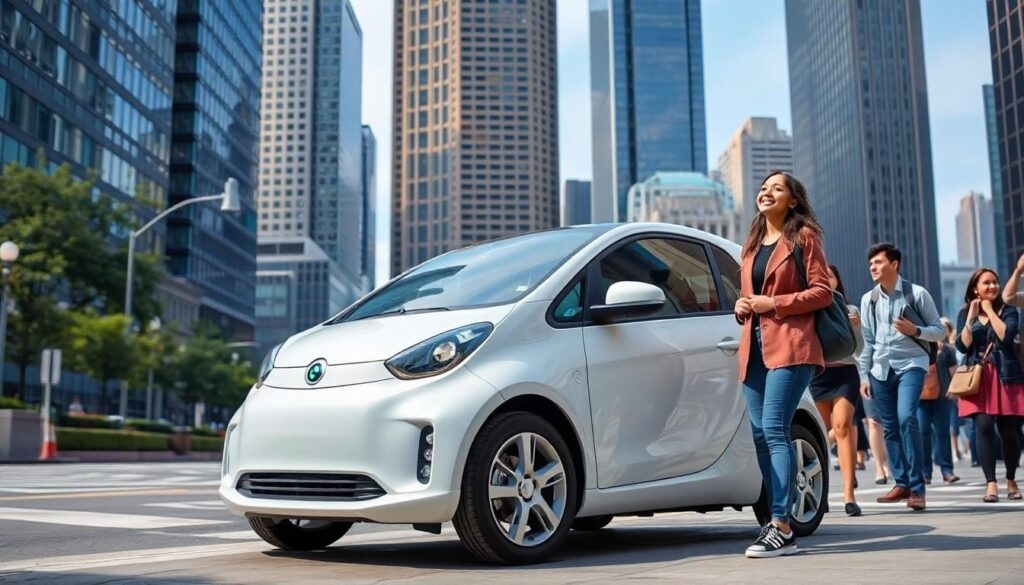

In a world where gas prices seem to have a personal vendetta against wallets, electric vehicles are cruising in as the heroes we never knew we needed. Eli Electric Vehicles are not just eco-friendly rides; they’re also a smart investment for anyone looking to save some serious cash. But let’s face it—nobody wants to break the bank while going green.
So what’s the scoop on Eli’s pricing? Spoiler alert: it’s not just about the numbers. It’s about value, technology, and the thrill of driving into the future without the guilt of fossil fuels weighing you down. Buckle up as we dive into the electrifying world of Eli Electric Vehicles and uncover what makes their pricing not just competitive, but downright appealing.
Overview of ELI Electric Vehicles
ELI Electric Vehicles are gaining recognition for their innovative designs and competitive pricing. These vehicles cater to urban commuters and offer a compact build suited for city driving. Various models deliver efficient performance, aligning with the growing demand for sustainable transport options.
Key features include advanced battery technology and energy management systems that optimize driving range. Customers appreciate the low maintenance costs associated with ELI Electric Vehicles, differentiating them from traditional gas-powered vehicles. Their affordability attracts budget-conscious consumers while promoting eco-friendliness.
Market positioning highlights ELI Electric Vehicles as both an economical and practical choice. The brand provides several models at competitive price points, enhancing accessibility for a wide range of buyers. Data shows that the average starting price for ELI models is around $20,000, making them an appealing option in the electric vehicle market.
Various financing options are available to support buyers, further reducing barriers to ownership. Leasing and financing programs allow flexibility, enabling more customers to commit to greener transportation. Additionally, incentives from local governments may apply, lowering total costs even further.
Consumer feedback often emphasizes comfort and adaptability in urban environments. With an emphasis on user-friendly technology, ELI Electric Vehicles provide seamless connectivity features that enhance the driving experience. Performance metrics demonstrate a commitment to safety, with features designed to protect drivers and passengers alike.
Shifting towards electric vehicles aligns with global efforts to reduce carbon emissions, making ELI a wise choice for environmentally conscious consumers. The vehicle’s growing presence on the road signifies a shift towards a sustainable future, demonstrating the importance of embracing electric mobility.
Factors Influencing ELI Electric Vehicles Price

Pricing for ELI Electric Vehicles hinges on multiple factors, including manufacturing costs and market demand. These elements shape the overall affordability and appeal to consumers.
Manufacturing Costs
Manufacturing costs significantly impact the price of ELI Electric Vehicles. Components such as advanced battery systems and energy management technology contribute to higher production expenses. Labor costs in production facilities also influence final pricing. Economies of scale can help reduce expenses as production volumes increase, potentially lowering prices for consumers. ELI Electric Vehicles utilize innovative design practices to optimize materials and processes, which can lead to cost savings. Understanding these production dynamics helps buyers appreciate the value embedded in their pricing.
Market Demand
Market demand plays a crucial role in determining ELI Electric Vehicles price. Growing interest in eco-friendly transportation has led to increased competition within the electric vehicle sector. Higher demand often encourages manufacturers to maintain or raise prices to match consumer interest. Seasonal trends can also affect pricing, causing fluctuations based on purchasing patterns. Buyers often seek models that reflect current technological advancements and comfort, reinforcing the necessity for brands to meet evolving expectations. ELI Electric Vehicles, while competitively priced, attract consumers due to their urban efficiency and appeal, influencing overall market strategy.
Comparison with Competitors
Eli Electric Vehicles stand out in the competitive electric vehicle market due to their pricing and features.
Price Range of Similar Models
The starting price for Eli Electric Vehicles is about $20,000. Competitors, such as the Nissan Leaf and Hyundai Kona Electric, typically range from $30,000 to $40,000. Models like the Chevy Bolt sit around $26,000. These price points reflect how Eli positions itself as an entry-level option for urban commuters. Consumers seeking more affordable electric alternatives find Eli’s pricing compelling, especially compared to other models that offer similar features at a higher cost.
Value for Money Analysis
Value for money in Eli Electric Vehicles becomes evident through their low maintenance costs and energy efficiency. Comparatively, other electric vehicles often entail additional expenses for upkeep, making Eli a more attractive financial choice. Customers appreciate user-friendly technology integrated into Eli models, enhancing the driving experience without significant costs. With financing options and government incentives available, the total cost of ownership for Eli remains competitive. Calculations reveal that operational savings over time ensure a solid return on investment for buyers, reinforcing Eli’s commitment to affordability in the electric vehicle segment.
Regional Pricing Variations
Pricing for Eli Electric Vehicles showcases regional differences, influenced by factors such as local incentives, taxes, and market conditions.
North America Prices
In North America, the average starting price for Eli Electric Vehicles hovers around $20,000. Consumers appreciate various financing options available that further enhance affordability. Local government incentives often reduce overall costs, making ownership more accessible. Market competition with other electric models drives continuous price adjustments. For example, buyers considering the Nissan Leaf or Chevy Bolt face higher starting prices, emphasizing Eli’s cost-effective positioning.
European Market Prices
Pricing in the European market reflects different economic factors, causing variations compared to North America. Eli Electric Vehicles typically start around €22,000, influenced by regional taxes and environmental incentives. Countries like Norway offer substantial incentives, enhancing affordability for local consumers. Comparatively, competitors such as the Renault Zoe and BMW i3 can range between €30,000 and €40,000, making Eli a more attractive option for budget-conscious buyers. Local utility rates can also impact running costs, making Eli models even more appealing.
Future Trends in ELI Electric Vehicles Pricing
Pricing trends for ELI Electric Vehicles indicate a positive trajectory in affordability and accessibility. Analysts predict a gradual decline in manufacturing costs as production scales increase, directly impacting retail prices. The rise in demand for eco-friendly transportation creates competitive pressure among manufacturers, which may lead to potential price reductions.
Local incentives significantly affect pricing in various regions. Expect significant price adjustments in areas with strong government support for electric vehicle adoption. In North America, the average starting price remains around $20,000, while European markets showcase starting prices near €22,000, influenced by local tax policies and incentives.
Moreover, technological advancements in battery systems continuously enhance vehicle efficiency. As ELI Electric Vehicles incorporate cutting-edge innovations, the cost of advanced components may decrease over time, further supporting consumer affordability. Various financing options widen ownership opportunities, making ELI models accessible to a broader demographic.
Market dynamics suggest a shift toward more sustainable transportation choices. As urban areas grow and the need for compact, cost-effective vehicles becomes clear, ELI positions itself as a leader in this niche. Comparatively, competitors like the Nissan Leaf and Hyundai Kona Electric start between $30,000 and $40,000, establishing ELI as an attractive entry-point model for first-time electric vehicle buyers.
Consumer trends continue to emphasize the importance of value for money. The low maintenance costs associated with ELI Electric Vehicles enhance their appeal, especially since other electric vehicles often incur higher upkeep expenses. Overall, strategic pricing coupled with innovative technology positions ELI Electric Vehicles favorably within the increasingly competitive electric vehicle market.
Eli Electric Vehicles stand out in the growing electric vehicle market due to their competitive pricing and innovative features. With an average starting price of around $20,000, they offer an accessible entry point for budget-conscious consumers. The combination of advanced technology and low maintenance costs enhances their appeal, making them a smart choice for urban commuters.
As the demand for eco-friendly transportation continues to rise, Eli’s commitment to affordability and efficiency positions it well for future growth. The expected decline in manufacturing costs and the influence of local incentives will further solidify Eli’s place in the market. Embracing electric mobility with Eli not only supports a sustainable lifestyle but also represents a wise financial investment.


