
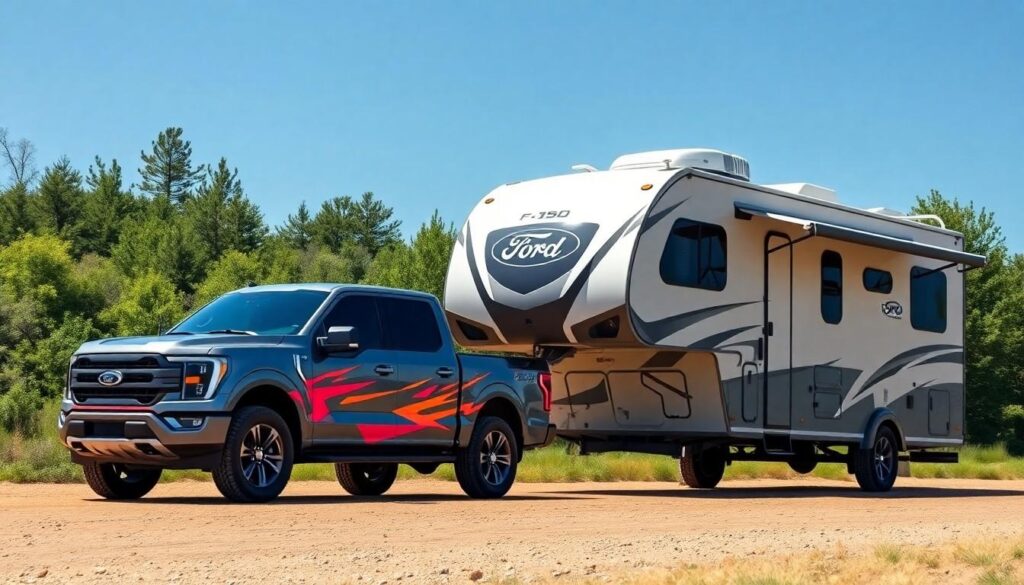

In a world where electric vehicles are becoming the norm, it’s time to bust the myth that they can’t tow. Picture this: you’re cruising in your sleek electric ride, and instead of just a grocery run, you’re hauling a trailer filled with adventure. Whether it’s a camping trip or a boat for a weekend getaway, modern electric vehicles are stepping up their game and proving they can handle the heavy lifting.
Overview of Electric Vehicles That Can Tow
Electric vehicles demonstrate impressive towing capabilities, often rivaling traditional gas-powered trucks. Several models available today cater to those needing towing power for recreational activities or work-related tasks.
The Tesla Model X provides a towing capacity of up to 5,000 pounds, making it suitable for small trailers and boats. Ford’s F-150 Lightning leads with a remarkable 10,000-pound towing capacity, allowing it to handle larger trailers with ease. Rivian’s R1T offers a robust 11,000-pound towing capability, targeting adventure enthusiasts who require high performance.
Many EVs incorporate advanced technology that enhances towing efficiency. Features such as regenerative braking help reduce wear on brakes during towing. Additionally, some models offer integrated towing packages that include stabilizing systems and enhanced traction control.
Charging infrastructure plays a critical role in using electric vehicles for towing. With the expansion of charging networks, drivers can find charging stations conveniently located on popular routes. Range anxiety often diminishes as newer models boast ranges exceeding 300 miles on a single charge, providing peace of mind during long hauls.
The focus on sustainability aligns with the growing demand for towing solutions without compromising ecological concerns. Manufacturers recognize the importance of reducing emissions and are actively designing EVs that thrive in towing scenarios. With options continually emerging, electric vehicles redefine conventional towing benchmarks, combining power with eco-friendliness.
Benefits of Towing with Electric Vehicles

Electric vehicles offer numerous advantages for towing, combining modern technology with enhanced performance.
Increased Torque and Power
Electric motors provide instant torque, allowing for quick acceleration when towing heavy loads. This characteristic produces a towing experience that feels smooth and controlled. Many electric vehicles, such as the Ford F-150 Lightning with a 10,000-pound capacity or the Rivian R1T that can handle 11,000 pounds, showcase this power effectively. Owners benefit from the seamless ability to manage steep inclines or difficult terrain. Increased torque means drivers can start towing without the lag often experienced with traditional gas engines. Performance remains consistent across varying conditions, allowing greater confidence when hauling trailers or boats.
Environmental Impact
Towing with electric vehicles significantly decreases overall emissions compared to gasoline-powered trucks. By utilizing renewable energy sources, these vehicles further enhance their sustainability credentials. Electric towing reduces reliance on fossil fuels while promoting cleaner air. Manufacturers emphasize efficiency in design, resulting in lower environmental footprints during both operation and production. This eco-friendly approach aligns with growing consumer preferences for sustainable practices in all aspects of life. Thus, electric vehicles serve as a practical option for those wanting to tow while minimizing their impact on the planet.
Popular Electric Vehicles That Can Tow
Many electric vehicles now excel in towing capabilities, demonstrating their strength and versatility. Below are some of the most popular models available today.
Tesla Model X
Tesla’s Model X combines luxury with impressive towing capacity. It can pull up to 5,000 pounds, making it suitable for a variety of tasks, from towing trailers to transporting recreational gear. Advanced technology enhances its towing performance, incorporating features like air suspension that adjusts for load weight. Owners appreciate its instant torque, which aids in acceleration while towing. Moreover, the ample range provides confidence on longer trips without the worry of frequent recharging.
Ford F-150 Lightning
The Ford F-150 Lightning redefines expectations for electric pickups. With a remarkable towing capacity of 10,000 pounds, this vehicle accommodates various hauling needs, such as boats or heavy trailers. A powerful battery system ensures efficiency, allowing it to manage steep inclines effortlessly. Towing features enhance safety and stability, ensuring a smooth experience. Charging options are readily available, enabling drivers to stay on the move with minimal downtime.
Rivian R1T
Rivian’s R1T stands out with a robust towing capacity of 11,000 pounds. Adventure seekers often choose this EV for its ability to navigate challenging terrains. The combination of all-wheel drive and high torque allows for confident towing on inclines. Integrated technology enhances the driving experience, providing real-time data on towing conditions. With substantial battery life, drivers enjoy long ranges without compromising their capabilities.
Chevrolet Silverado EV
Chevrolet’s Silverado EV generates excitement with its impressive specifications. Capable of towing up to 10,000 pounds, this electric truck meets the demands of both work and recreation. A dual motor system provides powerful performance, ensuring smooth towing even with heavy loads. Drivers benefit from an extensive charging network, reducing range anxiety significantly. Modern design elements and advanced features align with current consumer preferences for sustainability and functionality.
Towing Capacity Considerations
Understanding towing capacity is crucial for electric vehicle (EV) owners. Several factors impact towing performance, including vehicle weight limits and regulations.
Weight Limits and Regulations
Weight limits play an essential role in towing. Each electric vehicle lists a maximum tow rating, which reflects its capabilities. For instance, the Ford F-150 Lightning’s towing capacity of 10,000 pounds is notable, while Rivian’s R1T excels at 11,000 pounds. Regulations also vary by state and local laws, dictating maximum allowable weights. Owners must ensure their setup falls within these guidelines to avoid fines or penalties. Vehicle manufacturers typically provide specifications, so consulting them is vital before towing.
Battery Life Impact When Towing
Towing affects battery life significantly. Electric vehicles exert more energy while hauling loads, which can reduce range. For example, towing trailers might decrease the driving range by as much as 25 to 30 percent, depending on the weight and terrain. Many manufacturers, like Tesla, design batteries with efficiency in mind to mitigate this effect. Additionally, regenerative braking technology aids in recovering some energy lost when towing uphill. Drivers should plan routes with charging stations in mind to maintain sufficient battery levels during longer trips.
Future of Electric Vehicles in Towing
Advancements in electric vehicles (EVs) signify a robust future for towing capabilities. Growth in battery technology enables manufacturers to produce more powerful electric motors, enhancing towing performance. Drivers benefit from improved torque, allowing for quick acceleration even under heavy loads.
Emerging models, including the Rivian R1T, emphasize this capability with a remarkable 11,000-pound towing capacity, catering to various outdoor activities. The Ford F-150 Lightning leads the electric pickup segment, offering a strong 10,000-pound capacity that competes directly with traditional trucks.
Battery efficiency plays a crucial role as well. Many manufacturers incorporate features like regenerative braking to maximize energy use during towing. Range anxiety becomes less of an issue with expanded charging infrastructure, supporting those who tow heavy loads over long distances.
Environmental considerations drive more consumers toward electric towing options. Towing with EVs results in significantly lower emissions compared to gas-powered counterparts. The commitment to sustainability attracts eco-conscious buyers interested in minimizing their carbon footprints.
Legislation regarding towing regulations will evolve alongside the growing popularity of EVs. Awareness of towing capacity and state compliance remains essential for safe and efficient towing. As newer electric models exceed the capabilities of traditional vehicles, they reshape consumer expectations in the towing market.
Technological developments such as integrated towing packages further enhance the user experience. The use of smart towing technology streamlines the process, providing support through features like trailer stability control and load monitoring. This innovation establishes EVs as formidable competitors in the towing landscape, redefining the future of transportation.
Electric vehicles are rapidly transforming the towing landscape. With impressive capabilities and advanced technology, they’re proving to be more than just eco-friendly alternatives. Models like the Rivian R1T and Ford F-150 Lightning are setting new standards, offering towing capacities that rival traditional trucks.
As charging infrastructure continues to expand and battery technology improves, the future looks bright for EVs in towing. Drivers can now enjoy the benefits of instant torque and reduced emissions while confidently managing heavy loads. This evolution not only enhances the driving experience but also aligns with the growing demand for sustainable transportation solutions. Electric vehicles are not just a trend; they’re paving the way for a new era in towing.


