
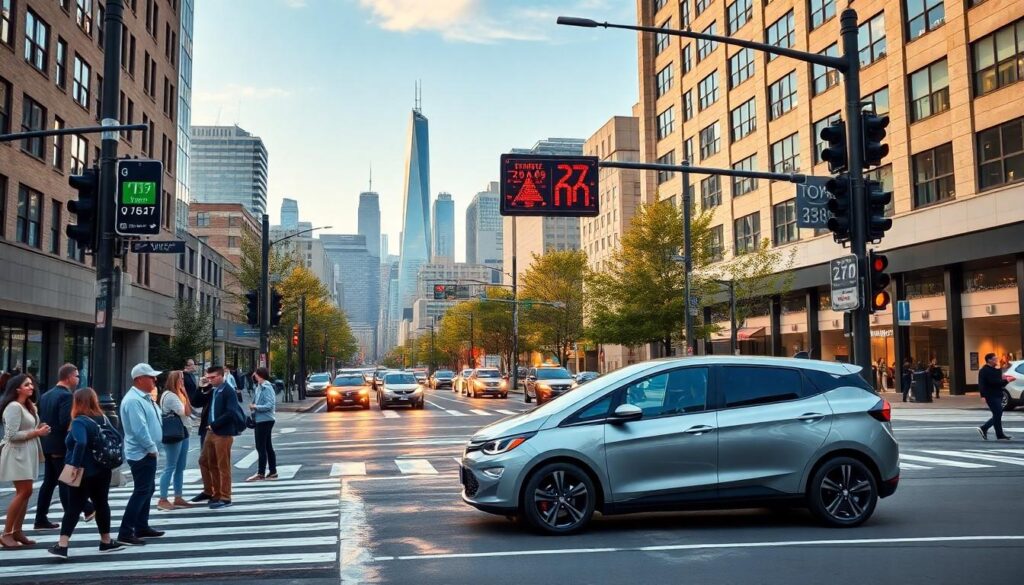

Imagine a world where your car knows when you’re late for work and decides to take the fastest route on its own. Sounds like science fiction, right? Well, welcome to the age of the Internet of Things (IoT) in transportation. This tech marvel is transforming how people and goods move, making commutes smoother and logistics more efficient than ever.
From smart traffic lights that reduce congestion to vehicles that communicate with each other to prevent accidents, IoT is reshaping the transportation landscape. It’s not just about getting from point A to point B anymore; it’s about doing it smarter, safer, and with a touch of flair. Buckle up as we dive into the fascinating world of IoT in transportation, where innovation meets efficiency and a sprinkle of humor keeps the journey enjoyable.
Overview of IoT in Transportation
IoT in transportation integrates various technologies to improve efficiency and safety in the movement of people and goods. Smart sensors installed in vehicles and infrastructure collect real-time data for monitoring traffic patterns and vehicle conditions. Connectivity between vehicles enhances communication, reducing the likelihood of accidents and congestion.
Cities incorporate smart traffic management systems using IoT. These systems adapt traffic light timings based on current traffic flow, optimizing vehicle movement. Fleet management benefits from tracking systems that monitor vehicle performance and driver behavior.
Benefits extend to public transportation as well. Buses equipped with IoT devices provide real-time updates to passengers, enhancing the travel experience. Implementing IoT in logistics streamlines delivery processes, allowing companies to track shipments accurately.
Key aspects of IoT in transportation include predictive maintenance. Sensors monitor vehicle parts, alerting operators to potential failures before they occur. This proactive approach reduces downtime and maintenance costs, contributing to overall efficiency.
Data-driven insights emerge from analyzing the collected information. Patterns in traffic behavior allow city planners to make informed decisions about infrastructure improvements. Environmental monitoring through IoT helps identify pollutants and optimize routes for lower emissions.
Integration of autonomous vehicles incorporates IoT technology extensively. These vehicles rely on sensors and real-time data to navigate safely, paving the way for advancements in driverless transportation. Innovations continue shaping the future of transportation into a smarter, more connected ecosystem.
Benefits of IoT in Transportation

The Internet of Things (IoT) greatly enhances transportation. It introduces various benefits that improve both efficiency and safety for users.
Enhanced Efficiency
Smart sensors collect data on traffic flow, enabling real-time adjustments to traffic lights. Cities use this data to optimize traffic management systems, which reduces congestion significantly. Fleet operators gain insights into vehicle performance, which leads to better routing and fuel efficiency. Predictive maintenance alerts operators of potential vehicle problems before they escalate, cutting downtime. Logistics also benefits as IoT tracks shipments in real time, allowing for quicker delivery times. Overall, these efficiencies contribute to a more streamlined transportation ecosystem.
Improved Safety
IoT technology greatly enhances safety in transportation. Vehicles communicate with each other to avoid collisions, reducing accident rates. Real-time monitoring of road conditions helps drivers make informed decisions. In public transport, buses notify passengers of delays and route changes through IoT devices, creating a safer travel experience. Infrastructure equipped with sensors detects hazards, prompting immediate action to address them. Furthermore, data analytics reveals patterns that inform infrastructure improvements, making roads safer for everyone.
Challenges in Implementing IoT in Transportation
Implementing IoT in transportation faces several challenges that hinder its full potential. Significant barriers include data security concerns and infrastructure limitations.
Data Security Concerns
Data security poses a major issue in IoT transportation systems. Cyberattacks can lead to unauthorized access to sensitive vehicle information. Protecting data integrity and confidentiality requires robust encryption protocols and security measures. Hackers targeting connected vehicles may manipulate systems, endangering passenger safety. Effective monitoring solutions are necessary to identify and respond to threats promptly. IoT devices create extensive networks, making them potential vulnerabilities in mismanaged environments. Ensuring compliance with regulations and standards further complicates security efforts. Stakeholders must prioritize cybersecurity protocols to mitigate risks associated with data breaches.
Infrastructure Limitations
Infrastructure limitations adversely affect the deployment of IoT solutions. Many cities lack the necessary hardware and software to support smart transportation technologies. Existing road systems may need significant upgrades to integrate IoT capabilities effectively. Connectivity issues arise in areas with weak internet access, slowing data transmission and processing. Investment in the required infrastructure often proves challenging due to financial constraints. Public-private partnerships can help finance these improvements, but widespread adoption remains inconsistent. Legacy systems complicate integration, leading to potential disruptions during transitions. Prioritizing infrastructure enhancements is crucial for maximizing IoT benefits in transportation.
Case Studies of IoT in Transportation
IoT technology has transformed transportation with innovative applications and case studies showcasing its benefits.
Smart Traffic Management
Cities utilize smart traffic management systems, effectively optimizing traffic light timings based on real-time data. Sensors gather information on traffic flow, allowing for rapid adjustments to signals, which reduces congestion significantly. For example, Los Angeles implemented a network of smart signals, leading to a 15% decrease in travel times across busy corridors. Additionally, analytics from traffic patterns inform city planners about infrastructure needs, enhancing long-term mobility strategies. Advanced solutions increase efficiency, thereby improving air quality and reducing emissions.
Connected Vehicles
Connected vehicles play a critical role in enhancing road safety and efficiency. These vehicles communicate with each other and nearby infrastructure, exchanging data for timely interventions. For instance, the BMW ConnectedDrive system offers features like collision warnings and traffic forecasts. By enabling real-time updates, connected vehicles contribute to smoother traffic conditions. Fleet operators also benefit from tracking systems that monitor driver behavior, leading to improved safety and optimized fuel consumption. The integration of this technology leads to informed decisions that positively impact urban mobility.
Future Trends in IoT for Transportation
The future of IoT in transportation looks promising, spearheading numerous innovations.
Autonomous Vehicles
Autonomous vehicles stand at the forefront of IoT innovation. These vehicles seamlessly integrate sensors and connectivity to ensure safe navigation on roads. Real-time data exchange enhances decision-making, allowing vehicles to respond quickly to changing conditions. Examples include self-driving cars that communicate with one another and infrastructure, leading to smoother traffic flow. Safety improvements stem from vehicle-to-vehicle communication, which helps prevent accidents before they occur. With advancements, predicted challenges related to regulations and public acceptance continue to be monitored, hinting at the necessity for ongoing development and adaptation.
Smart Cities
Smart cities leverage IoT technology to enhance transportation efficiency. City planners utilize data gathered from connected devices to optimize public transit routes and schedules. Innovations like synchronized traffic lights adjust in real-time to manage congestion effectively. Infrastructure equipped with smart sensors detects issues such as road hazards and maintenance needs instantly. Examples of cities implementing these systems show a notable reduction in travel times and emissions. As technology advances, the collaboration between municipalities and private entities will play a critical role in funding and deploying these IoT solutions.
The integration of IoT in transportation is reshaping how people and goods move in today’s world. As smart technologies continue to evolve they promise to enhance efficiency and safety across various transportation modes. The potential for real-time data to optimize traffic management and improve public transport experiences is immense.
While challenges such as data security and infrastructure limitations remain significant hurdles the ongoing collaboration between public and private sectors will be key to overcoming these obstacles. The future of transportation lies in embracing these innovations which will lead to smarter cities and safer roads. As the IoT landscape grows it will undoubtedly pave the way for a more connected and efficient transportation ecosystem.


